Special Report By Linda Ballou, NABBW’s Adventure Travel Associate Living in Topanga Canyon is as far outside of Los Angeles as you can get without leaving the metropolis. Nestled in the Santa Monica Mountains, and the largest urban preserve in the United States, it offers access to miles of hiking trails and enjoys stunning […]
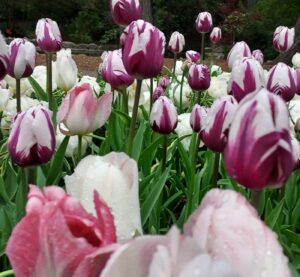
By Linda Ballou, NABBW’s Adventure Travel Associate Descanso Gardens The Descanso Gardens, a 150-acre botanical garden and living museum in La Canada Flintridge, is known for its diverse plant collections. It features themed gardens, walking trails, and the “Enchanted Railroad,” a ride-on train. A year-round oasis, just 20-minutes from downtown Los Angeles, it also hosts […]
By Linda Ballou, NABBW’s Adventure Travel Associate If you’re not a devoted follower of Chinese astrology, you might not realize (a) that the Horse is the seventh animal in the 12-year zodiac cycle, or (b) that February 17, 2026 is the first day of the upcoming Chinese New Year. This is a very special year, […]
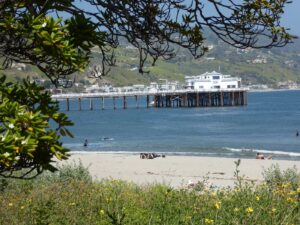
By Linda Ballou for the NABBW Malibu is uniquely isolated from the rest of the coastal towns along the Pacific Ocean primarily because of the efforts of one feisty and highly accomplished American businesswoman, Rhoda May Knight Rindge, also known as May Rindge or May K. Many people call her the “Queen of Malibu,” or […]
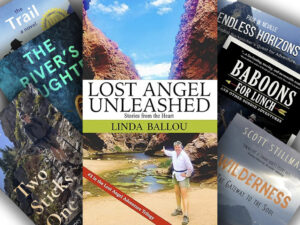
By Linda Ballou, NABBW’s Adventure Travel Associate NOTE to READERS: Last month Linda offered NABBW readers a handful of “giftable” travel-related books related to trips she highly recommends. All books she’s enjoyed about places she would visit again in a heartbeat. This month, she’s still urging us to put down our smart phones, walk […]
By Linda Ballou, NABBW’s Adventure Travel Associate Hello friends! It’s my hope that today’s article will be a timely and practical one which is designed to help you find the perfect gift for any number of upcoming gifting events. Below you’ll find a healthy helping of gift ideas designed to appeal to your friends, family […]
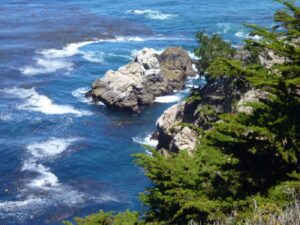
By Linda Ballou, NABBW’s Adventure Travel Associate A moisture-laden, bone chilling wind funneled up from the canyon as I stood on a vista point on California’s Highway 1, aka the Pacific Coast Highway or PCH. The aquamarine sea laced in frilly white, lapped at the rocky cove below. Formed by relentless energy crashing on its […]
By Linda Ballou, NABBW’s Adventure Travel Associate Nestled in the heart of the fertile Willamette Valley, Corvallis, Oregon is located just forty-five minutes from the Oregon coast. It enjoys mild temperatures year-round, without the dense fog and blustery winds of typical coastal towns. It is also just far enough off Hwy 5, the main artery from […]
By Linda Ballou, NABBW’s Adventure Travel Associate Just thirteen miles inland from the coast, Ojai enjoys a moderate climate all year round. Long heralded as a place of health, serenity and a cradle of creativity, the valley nestled at the base of the Topatopa Mountains, harbors secrets for you to discover. There are only 8,000 […]
By Linda Ballou, NABBW’s Adventure Travel Associate Now is the time to plan your summer holiday. Here are some tips to help you streamline the process. Artificial intelligence plays a significant role in shaping travel experiences. Travelers are utilizing AI-powered tools for personalized trip planning, enhancing convenience, and customizing their journeys. Expedia, Travelocity, and others […]